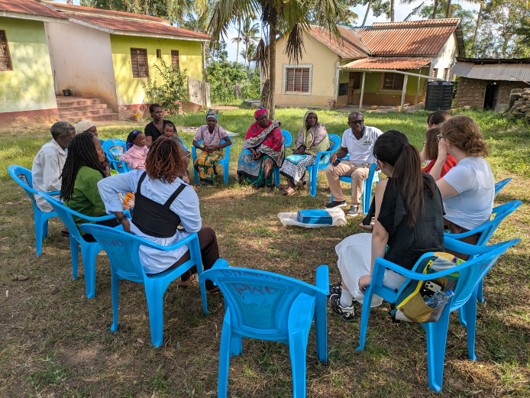
An essay written on the occasion of the 20th Anniversary of Basic Needs Basic Rights Kenya.
By Chris Underhill, Founder
There are moments in a life’s work when one is asked to pause and look back. The 20th anniversary of Basic Needs Basic Rights Kenya is one such moment. It invites memory, gratitude, honesty and recommitment in equal measure.
When I founded BasicNeeds in 2000, I could not have imagined that, more than two decades later, an organisation in Kenya would be celebrating 20 years of having taken that original idea and made it its own.
BasicNeeds was born from encounters with people who were being left out of development altogether, people with mental illness and epilepsy who were poor, isolated and too often invisible. But it was also born from a conviction that, with treatment, livelihoods, community support and dignity, people could reclaim their place in society and shape their own futures.
The Reality we Encountered
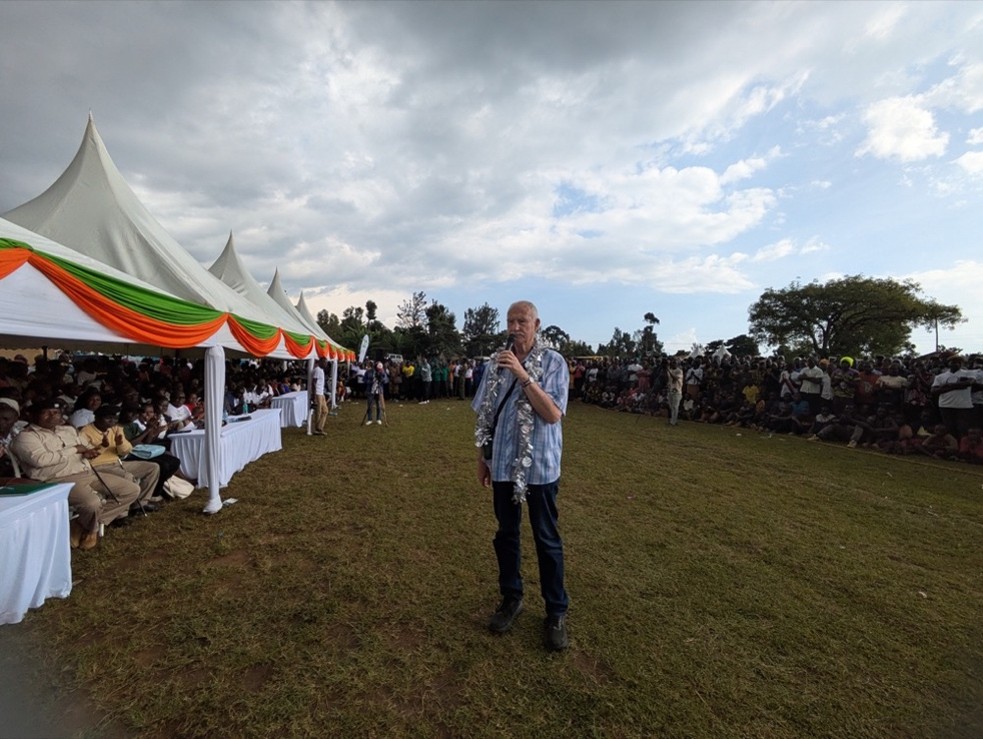
In those early years, the people we met were living on the margins of village and city life, excluded from school, work and community, often hidden away or left without support. Mental illness was not only a health issue. It was a social and economic crisis affecting whole families.
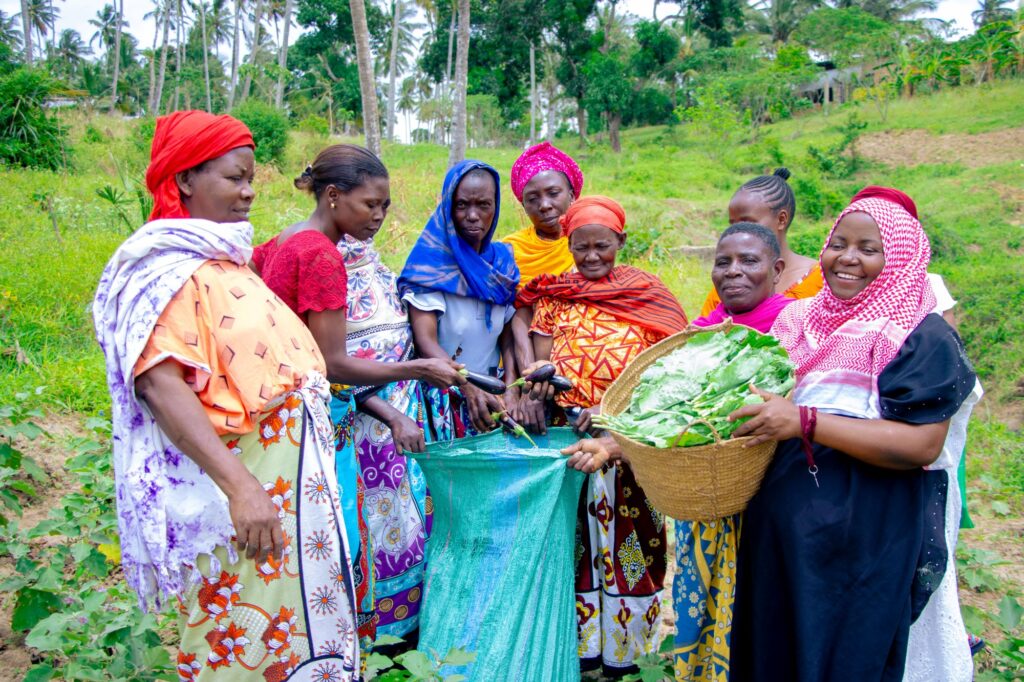
Yet alongside hardship, we found resilience. Families showed extraordinary courage. Health workers wanted to do more. And people with lived experience, when given the chance, did not simply receive support. They organised, worked, advocated and led.
That discovery shaped what became the BasicNeeds Model, a simple but powerful idea that mental health care must be linked with livelihoods, community life and human rights.
A Movement Takes Root
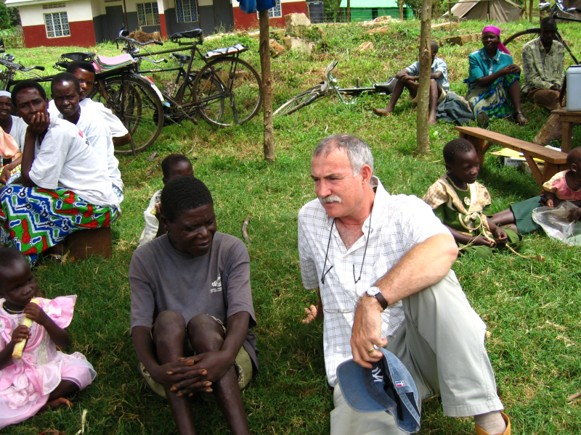
Kenya became one of the places where this vision took root and grew. Over 20 years, Basic Needs Basic Rights Kenya has become far more than an organisation. It is a community of relationships and a movement for change.
It is seen in the dedication of staff and volunteers working close to communities, in families moving from fear to understanding, and above all in people with lived experience who have reclaimed their voices and demanded dignity, opportunity and rights.
This work has shown what is possible. Individuals once excluded are now advocates, entrepreneurs and leaders, and mental health is increasingly recognised as part of development and public life.
Progress and Unfinished Work
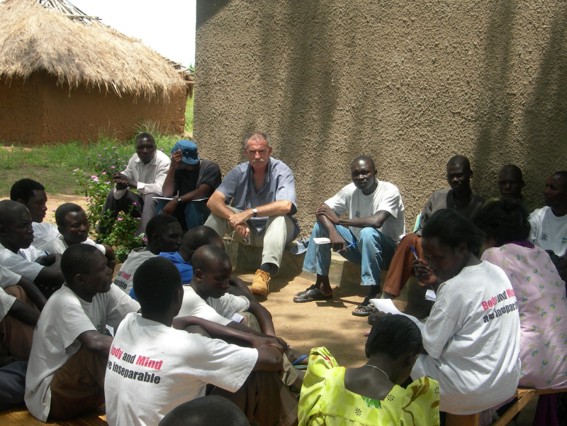
There has been real progress. Mental health is now more visible, more openly discussed, and more connected to human rights and development. Community based care and lived experience leadership are gaining ground.
But anniversaries must also be honest. Too many people still receive no care. Families carry heavy burdens alone. Services remain underfunded, and rights are too often denied.
Treatment alone is not enough. Medicine can reduce symptoms, but it cannot restore livelihoods, dignity or belonging. That requires communities, opportunity and inclusion. The work, even after 20 years, is far from finished.
A Future to Build Together
So let us celebrate, but also recommit.
To a Kenya where no one is hidden in shame.
To services that are accessible and close to home.
To families that are supported.
To leadership by people with lived experience.
No founder owns a movement. At best, one helps to light a fire; others tend to it. You continue to sustain that fire today.
When BasicNeeds began, the message was simple. People with mental illness and epilepsy have the same rights as anyone else. That remains the measure of our success.
The work is unfinished, but the evidence is clear. When mental health, human rights and development come together, lives can be transformed. The question is whether we will continue to invest in making that change happen.